Salkantay Trek to Machu Picchu
Proposed Salkantay Trek 4D / 5D itinerary. Request the dated route, services and full-party quote before booking.
Tour specs at a glance
Group size
Confirm for your departure
Altitude profile
Confirm the selected route and daily elevation profile
Proposed duration
4 or 5 days
Difficulty
Challenging
Meeting point
Cusco area; meeting arrangements to confirm
Quick answer
- The Salkantay Trek is a challenging high-altitude walking route in Peru's Cusco region, reaching Salkantay Pass at 4,630 m before a separate Machu Picchu visit. Compare 4- and 5-day route plans.
- Ask for an itemized quote covering Cusco hotel pickup, guide, cook and horsemen, camping gear, trek meals except breakfast on day one, Machu Picchu entry and a guided citadel tour, plus the return train and transfer to Cusco.
- Request the group size, Cusco airport-transfer options and luggage-storage costs in your quote.
- Both durations involve challenging high-altitude walking. The route overview below explains the main stages; version-specific distances, overnight accommodation and the extra-day allocation are not established in the supplied programme.
Before booking, compare the Machu Picchu circuits against the admission actually proposed. Use the Machu Picchu packing guide for the site visit; trek equipment and transport baggage need their own route-specific confirmation.
Salkantay Trek to Machu Picchu 4D/5D: arrangements to request
Salkantay Trek 4 days
4 days / 3 proposed nights · Request a written quote
Request the four-day route, any Humantay visit and each overnight; it is not a confirmed shortened five-day itinerary.
Ask about this optionSalkantay Trek 5 days
5 days / 4 proposed nights · Request a written quote
Request the five-day stages and whether Llactapata is included; viewpoints depend on access and weather.
Ask about this optionSalkantay with sky domes
Overnight plan to confirm · Request a written quote
Request named accommodation, location and availability; domes are not an established inclusion.
Ask about this optionPrivate / premium Salkantay
Route and nights to confirm · Request a written quote
Request separate guiding, accommodation and meal arrangements; private services require written acceptance.
Ask about this optionSalkantay Trek to Machu Picchu 4D/5D: route interests to discuss
These listed interests are not confirmed services or access. Ask which belong to your dated itinerary.
- Humantay Lake
- Salkantay Pass 4,630 m
- Sky domes / camps
- Machu Picchu guided tour
Who this tour is for
- Hikers considering a high-altitude mountain-pass route
- Travelers comparing a route separate from the Classic Inca Trail; Machu Picchu admission still needs checking
- Travelers considering camping and consecutive walking days
- Groups able to allow time for altitude preparation
Who this tour is NOT for
- Travelers without an appropriate gradual altitude-exposure plan; a fixed number of Cusco nights does not establish readiness
- Travelers whose clinician advises against the proposed altitude or activity
- Travelers requiring hotel nights not confirmed in the proposed itinerary
Salkantay Trek to Machu Picchu 4D/5D: proposed itinerary outline
Confirm the actual stages, overnight locations, access and connections before treating this outline as an operating schedule.
Stage 1
Cusco to Soraypampa
Listed approach via Mollepata and Soraypampa, with a Humantay Lake request; allocation and camp location need confirmation.
Stage 2
Salkantay Pass
Listed mountain-pass stage and descent toward Chaullay. Confirm the walking profile and camp location.
Stage 3
Jungle valley
Listed valley-walking stage. Any Cocalmayo stop requires separate access, timing and cost confirmation.
Stage 4
Llactapata to Aguas Calientes
Llactapata / Hidroeléctrica is listed among the route stages; inclusion, overnight location and allocation within the selected four- or five-day version require confirmation.
Stage 5
Machu Picchu
Intended guided visit at the confirmed ticket time, followed by the booked return services. These stages are not a verified five-day schedule.
Want to adjust timings or add a night?
Cusco-based team · ask us to check availability
Salkantay Trek to Machu Picchu 4D/5D: services and extra costs to confirm
Use these inventory questions to request an itemized quote. No service, rental, exclusion or price is established until accepted in writing for your departure.
Ask whether the quote covers
- Request itemized quote coverage: Camping gear / sky domes
- Request itemized quote coverage: All meals on trek
- Request itemized quote coverage: Cook & horsemen
- Request itemized quote coverage: Machu Picchu entry
- Request itemized quote coverage: Train back
- Request itemized quote coverage: Guide
Ask about separate costs
- Confirm whether separately payable: Sleeping bag (rental available)
- Confirm whether separately payable: Hot springs entry
- Confirm whether separately payable: Breakfast on day 1
- Confirm whether separately payable: Tips for guide and staff
- Confirm whether separately payable: Travel insurance
- Confirm whether separately payable: Trekking poles (rental available)
- Confirm whether separately payable: Personal snacks & drinks
Salkantay Trek to Machu Picchu 4D/5D fitness preparation
Challenging high-altitude walking. Request the selected four- or five-day itinerary, daily distances, ascent, sleeping elevations and emergency arrangements before assessing suitability.
Salkantay Trek to Machu Picchu 4D/5D luggage and train baggage allowances
Check the baggage allowance for your booked train service. Confirm storage location, cost and collection access before leaving larger bags. Check current Machu Picchu bag restrictions separately. Trek baggage support, weight limits and the daypack equipment list must be specified for your departure.
Salkantay Trek to Machu Picchu 4D/5D packing list: what to bring for the citadel visit
- Original accepted identity document matching your ticket
- Small day bag within current site dimensions
- Rain jacket or poncho
- Cash in soles (small bills)
- Broken-in walking footwear
- Sunscreen, hat & sunglasses
- Insect repellent
- Refillable water bottle
- Warm layer for mornings
Salkantay Trek at a glance: route, altitude and highlights
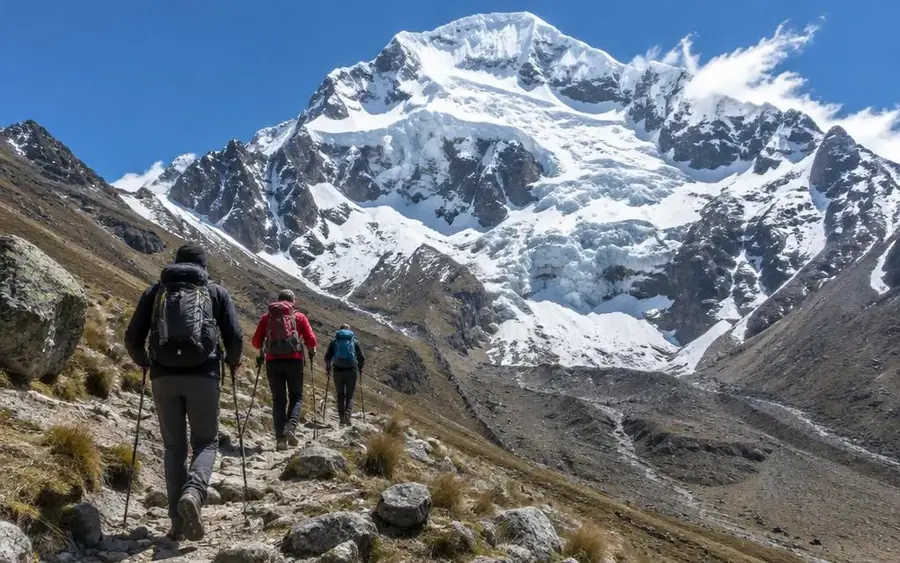
The Salkantay Trek is a challenging high-altitude walking route in Peru's Cusco region, crossing Salkantay Pass at 4,630 m before a separate visit to Machu Picchu. It is not a summit climb and does not enter the citadel along the classic Inca Trail. Compare 4- and 5-day route plans.
Humantay Lake, above Soraypampa, introduces the high-Andean scenery, while the descent beyond the pass leads toward greener valleys around Chaullay. Coffee-growing landscapes and the approach to Aguas Calientes add a different character to the later journey. The citadel visit completes the trip, but Salkantay does not enter Machu Picchu along the classic Inca Trail.
Ask for trek support, Machu Picchu entry and a return train in your quote, along with the departure’s group limit. Choose this journey for sustained outdoor travel and changing landscapes rather than simply as transport to the ruins. If walking is not your main priority, explore our Machu Picchu and Peru tours before committing to a demanding mountain route.
Check dates and get your quote on WhatsApp: send your preferred start date, party size and Cusco arrival date. Your enquiry starts a quote, not a confirmed reservation.
- Duration options: 4 or 5 days.
- Difficulty: challenging; highest crossing: Salkantay Pass, 4,630 m.
- Start: request Cusco hotel pickup and the departure’s group limit in your quote.
- Highlights: Humantay Lake, glacier scenery, cloud forest and Machu Picchu.
- Request Machu Picchu entry, a guided citadel visit, return train and transfer to Cusco in your quote.
- Ask which camping gear the quote covers; nightly accommodation allocation is not specified in the source programme.
Salkantay Trek 4 days or 5 days: which should you choose?
We offer 4-day and 5-day Salkantay treks. Both reach Salkantay Pass at 4,630 m and include Machu Picchu entry and a guided visit. An extra day does not lower the pass or automatically make the trek easy; fewer days do not necessarily mean less walking.
The available programme lists the main stages but does not establish two separate daily schedules. Its day labels and reference to an extra rest day conflict, so the extra-day activity, version-specific overnight stops and Llactapata inclusion cannot be stated reliably. There are no verified daily kilometres, walking hours or elevation-gain totals in the supplied tour information.
Choose around your available travel days and ability to manage consecutive demanding hiking days, not an assumed rest day. Allow 1–2 days in Cusco beforehand for acclimatization, with more time if needed, and flexibility after returning. The pre-payment programme and itemized quote must identify the selected duration, daily stages, overnight accommodation, transfers, ticket circuit and extras.
- 4-day option: four advertised days; challenging; 4,630 m pass; request Machu Picchu entry and a guided visit in your quote.
- 5-day option: five advertised days; challenging; 4,630 m pass; request Machu Picchu entry and a guided visit in your quote.
- Not established for either version: daily distances and hours, nightly allocations, and the exact difference in route or extra-day activity.
Salkantay Trek difficulty: how fit do you need to be?
Salkantay Trek difficulty is challenging because of altitude, repeated walking days, sustained descents, cold conditions and the weight you carry. The trail is nontechnical, but that does not mean easy. A traveller comfortable on a short low-altitude walk may still find the pass day and the following descent demanding. Good fitness helps you manage effort; it does not guarantee protection from altitude sickness.
Prepare through progressively longer hill walks, building toward consecutive active days rather than one isolated strenuous outing. Practise descending on uneven ground, use your intended footwear and carry your daypack. Downhill control matters because tired legs and sore knees can become limiting after the climb. You should be comfortable continuing steadily when the terrain is rough and the weather is less inviting.
Consider spending 1–2 days in Cusco before trekking to adjust to the altitude. Treat this as preparation time, not a guarantee that your body is ready; some travellers need longer. Keep initial activity gentle and discuss relevant health conditions or medication questions with a qualified clinician. The Cusco altitude preparation guide helps you plan those first days.
Tell your guide immediately about headache, nausea, dizziness or unusual fatigue. Worsening symptoms are a reason to stop ascending and reassess, not something to hide to protect the schedule. Confusion, difficulty walking straight or breathlessness at rest requires urgent help. Ask for the proposed guide’s first-aid qualifications, emergency equipment, communications and descent arrangements before booking.
For families, children of all ages can visit Machu Picchu, but that does not establish suitability for this challenging trek. The policy's recommendation from about age eight applies to the Inca Trail, not Salkantay; no Salkantay minimum age is specified. Share children's ages, hiking experience and relevant health concerns when booking. A less demanding itinerary is preferable when sustained high-altitude walking is unsuitable.
Salkantay Trek with or without a guide
Independent trekking can suit experienced, well-prepared hikers, while a guided Salkantay quote should specify the organized support and services you need. An agency is not automatically compulsory along the entire standard route. However, walking independently does not remove access responsibilities, weather risk or the separate requirements for entering Machu Picchu. Check current official trail and site access requirements rather than relying on older accounts.
Without a guide, you take responsibility for route finding, accommodation, food, safe drinking water, baggage, local arrangements and transport connections. You also need a practical response to illness, a blocked trail or a missed connection. A self-guided budget should include those services and contingencies, not just daily meals and a place to sleep. Familiarity with remote walking and changing mountain conditions matters more than confidence alone.
A guided trek can reduce separate bookings. Request a quote for a guide, cook, horsemen, camping gear, meals, treated water, Machu Picchu entry and the return train. Ask how communications and safety decisions would be managed if conditions or health require a change.
A guide cannot remove altitude risk or guarantee clear skies, but organized support lets you concentrate on the walking rather than managing every connection. Tell us which parts of the journey concern you most, and request a guided quote with the services itemized. Compare the whole trip, including exclusions, rather than assuming that either independent travel or a package is always the better value.
A guided-tour quote is not a self-guided budget. Budget separately for transport to and from the trail, accommodation or camping, food, treated drinking water, baggage transport, local access charges, Machu Picchu admission and guiding, the return journey, and emergency contingencies. Download offline navigation and save booking details before leaving Cusco.
Salkantay Trek itinerary and route overview
Route overview: Cusco → Soraypampa and Humantay Lake → Salkantay Pass (4,630 m) → Chaullay and cloud forest → the Santa Teresa area → Aguas Calientes → Machu Picchu → return to Cusco. This is a geographic outline, not a route map or a confirmed day-by-day schedule for both durations. Walking sections, vehicle connections and Llactapata inclusion depend on the selected programme.
The source programme begins with pickup from Cusco and breakfast in Mollepata, followed by Soraypampa and an afternoon hike to Humantay Lake at 4,200 m. Breakfast on day one is excluded. Even this lake excursion involves significant altitude: walk slowly and conserve energy for the pass crossing.
The high crossing reaches Salkantay Pass at 4,630 m beneath the glacier, followed by a long descent toward Chaullay cloud forest. Descending remains physically demanding after the climb, particularly on tired legs or wet ground.
Lower stages feature coffee and fruit farms and an optional hot-springs visit near Santa Teresa; entry is excluded. The source also lists Llactapata and the Hidroeléctrica approach to Aguas Calientes, but does not reliably allocate these between both durations. Llactapata offers ruins and distant Machu Picchu views when conditions allow; it is not the citadel entrance. Read the Llactapata guide for context.
The final stage is a guided Machu Picchu citadel tour, followed by an afternoon train and transfer back to Cusco. Aguas Calientes is the base below the site, not the archaeological destination itself.
What should the Salkantay quote include and exclude?
Request an itemized Salkantay Trek quote for your selected duration, dates, accommodation and extras. Compare separate 4-day and 5-day totals before payment.
Ask your quote to specify guide, cook and horsemen support, boiled and filtered drinking water, and trek meal coverage. The source does not separately define final-day meal coverage. A breakfast stop in Mollepata does not make that meal included.
Discuss vegetarian, vegan, gluten-free and allergy requirements before booking, and ask which needs the kitchen can meet. Ask about tipping, solo places on group departures and any single-room supplement for hotel nights. State your room preference when requesting the quote.
Check dates and get your itemized quote on WhatsApp, with rental charges and selected extras shown before payment. Read the booking information. Travel insurance is excluded; choose cover for trekking at 4,630 m, medical care, evacuation and trip disruption.
- Request Cusco hotel pickup, guide, cook and horsemen, and camping gear in the quote.
- Ask the quote to specify trek meals, the day-one breakfast exclusion, and boiled and filtered drinking water.
- Ask for Machu Picchu entry, a guided citadel tour, return train and transfer to your Cusco hotel in the quote.
- Requested extras: Cusco airport pickup and luggage storage; ask for costs.
- Ask whether sleeping bags and trekking poles can be rented and have any charges itemized.
- Excluded: hot-springs entry, breakfast on day one, optional tips, travel insurance, personal snacks and drinks.
Machu Picchu tickets, circuits and the return to Cusco
Request Machu Picchu entry, a guided citadel tour and the return train in your quote, specifying the circuit, admission time and transport details before payment. The standard Salkantay route does not use the classic Inca Trail trekking permit, but that is not the same as unrestricted admission to Machu Picchu. Entry remains a separate ticketed part of your journey.
Ask for a guided citadel visit in your quote, with the circuit and admission time checked against ticket availability before payment. Optional mountain climbs need separate arrangements and are not automatically included. Neither sunrise entry nor a particular viewpoint is guaranteed. Any citadel shuttle-bus costs must be itemized rather than assumed included.
Aguas Calientes is the base below Machu Picchu, not the archaeological site itself. Your quote should identify the station, train service, onward transfer and any citadel shuttle-bus arrangements. The package includes the return transfer to your Cusco hotel. For planning context, our Aguas Calientes guide explains the town’s role in the visit.
Check the current issuer conditions for changes and refunds on your admission. Request written disruption terms covering rail cancellations, alternative routes, trail closures and recoverable services. Leave flexibility after returning to Cusco.
Best time for the Salkantay Trek and what to pack
May through September is generally the drier period for the Salkantay Trek, with a better chance of clear mountain views. November through March is generally wetter; April and October are shoulder-season options. Prepare for cold high camps and warmer, wetter lower sections in every season: no month guarantees dry trails or clear views.
Rain makes descents slippery and can affect road or trail access. Cold and wind remain relevant at altitude even when lower valleys feel warm. Choose dates around both your holiday plans and your tolerance for changing conditions; the best time is not simply the month with the most appealing photographs. Weather and local restrictions can affect departures and access.
Pack broken-in walking footwear, warm layers, a waterproof jacket, rain protection for your pack, sun protection, a hat, gloves and comfortable trekking clothing. Bring a reusable water bottle, personal medication and the small items you need during the walking day. Ask about sleeping-bag rental and charges; choose its warmth for the season and sleeping arrangements rather than relying on accommodation alone for warmth.
Trekking poles help with balance and downhill control; ask about rental costs. Carry essential layers, rain protection, water and medication in your daypack. Bring your travel document, protected booking copies and local cash; download offline route information. Confirm train and trek baggage allowances separately, including any horse-team loads, bag provision and supported sections. Request Cusco storage arrangements for unnecessary luggage.
Small groups, airport transfer and luggage storage
For Salkantay, compare the proposed group size, Cusco airport pickup and luggage-storage arrangements in your quote. Plan where to leave your main suitcase so you can carry the equipment needed for the mountains and train journey.
Send your flight number and hotel address when asking about airport and trek pickup. Request the airport meeting instructions, hotel pickup area or alternative meeting point, and the timing and format of any pre-departure briefing.
At the briefing, review your equipment, meal needs, luggage and pickup arrangements. Campsites have toilets, and toilets at the Machu Picchu entrance carry a small fee; there are none inside the site. Small groups support a more personal journey, but they do not change the altitude or replace preparation. If your priorities differ, compare our Peru treks before choosing.
Ask which camping gear and campsite toilets are available. The source does not specify nightly sleeping arrangements, sharing, the Aguas Calientes overnight allocation, shower availability, charging or Wi-Fi. Do not assume these facilities are available at every stop. Ask about sleeping-bag rental and charges.
Check your Salkantay Trek dates on WhatsApp
Check your Salkantay Trek dates on WhatsApp. Send your preferred start date, four-day or five-day preference, party size and Cusco arrival date. We review route suitability and ticket options, then provide your selected programme and itemized quote before you decide. An enquiry does not reserve your place.
You can start with: “Hello, I’m interested in the Salkantay Trek to Machu Picchu. Preferred start date: __. Duration: 4 days / 5 days / unsure. Travellers: __. Cusco arrival date: __. Please send the itinerary, total per-person price, Machu Picchu ticket and circuit options, and booking terms.” You do not need to send passport details or payment information in the initial enquiry.
We first review route fit, then check the requested departure and ticket options. You receive a written itemized quote with the selected programme, entry arrangements, inclusions, extras and payment terms. After you agree to the payment process, written confirmation records the booking. Read the change and cancellation conditions before paying: issued tickets and trains can limit what is recoverable.
Request written date-change and cancellation terms, including issued ticket and train costs, refund eligibility, timing and payment method. Review the booking information before paying.
Citadel entry rules & regulations
- Carry your ticket and accepted original identity document
- Follow your ticketed route, entry time and staff instructions
- Check current bag dimensions and prohibited items before packing
- Arrange meals outside; ask the authority about medically necessary food
- Follow designated paths and do not climb or touch archaeological masonry
- Guide accompaniment is recommended for ordinary citadel entry; trail authorization is separate
Sources: Ministry conduct rules and September 2026 amendment, Article 17.1. Recheck current instructions for your visit.
Request a written quote
Request quote on WhatsAppAvailability, group arrangements and services require confirmation.
Keep planning
Salkantay Trek to Machu Picchu 4D/5D: FAQs
Is the Salkantay Trek hard?
Yes. It is challenging because of high altitude, repeated walking days and long descents. Prepare with hill walks, consecutive hiking days and your intended daypack. Spend 1–2 days in Cusco beforehand to acclimatize; some travellers need longer, and fitness does not prevent altitude sickness.
Is the Salkantay Trek dangerous?
Altitude sickness, rough terrain and changing weather create real risks. Report symptoms immediately. Ask about guide qualifications, first-aid equipment, oxygen, communications and descent or clinic-transfer arrangements before booking. Insurance should cover trekking at 4,630 m and evacuation.
How high is Salkantay Pass?
Salkantay Pass reaches 4,630 m on our route. It is the highest crossing, not a summit climb. The long descent afterward still requires energy, balance and concentration.
How cold is the Salkantay Trek?
High camps can feel very cold overnight and in wind; lower valleys are warmer and more humid. Bring insulating layers, waterproofs and a suitable sleeping bag. Check bag-rental availability and charges. The supplied facts do not establish camp temperature ranges or a sleeping-bag rating.
Do you need a permit for the Salkantay Trek?
The standard Salkantay route does not use the classic Inca Trail trekking permit. Machu Picchu admission is separately ticketed; request admission and a guided citadel visit in your quote. Circuit and admission time depend on availability; optional mountain climbs are not automatically included.
How long is the Salkantay Trek: 4 or 5 days?
Our guided packages last 4 or 5 days. Both involve challenging high-altitude walking and the 4,630 m pass. The supplied programme does not reliably establish the exact extra-day activity or separate nightly schedules, so an extra rest day is not promised. Allow additional time in Cusco for acclimatization.
How many kilometres is the Salkantay Trek, and how long do you walk each day?
No verified total distance, daily walking hours or elevation-gain profile is provided for these two packages. Those figures depend on the chosen route and vehicle connections; one generic total cannot accurately describe both. The confirmed highest crossing is Salkantay Pass at 4,630 m.
What does the Salkantay Trek price include?
Request a quote itemizing Cusco hotel pickup, guide, cook and horsemen, camping gear, trek meals, treated water, Machu Picchu entry and guiding, return train and transfer. Ask separately about airport pickup, luggage storage and bag or pole rental. Budget for hot springs, tips, insurance and personal snacks and drinks; check first-day breakfast coverage.
Can you do the Salkantay Trek without a guide?
Independent trekking can suit experienced hikers able to manage navigation, accommodation, food, treated water, baggage, transport and emergencies. Check current official access and Machu Picchu requirements separately. Compare your independent budget with a dated guided-tour quote.
What should I pack for the Salkantay Trek?
Pack broken-in walking footwear, warm layers, waterproofs, sun protection, gloves, a reusable bottle and personal medication. Bring a suitable sleeping bag, consider poles, and protect your passport, booking copies, local cash and electronics from rain. Save offline navigation. Ask about sleeping-bag and pole rental availability and charges.
What is the best time to do the Salkantay Trek?
May–September is generally drier and often offers a better chance of clear mountain views. November–March is generally wetter; April and October are shoulder-season options. Expect cold high camps and changeable weather in every season; no month guarantees clear views.
Which is better: the Inca Trail or the Salkantay Trek?
Choose Salkantay for glacier scenery, Humantay Lake and cloud forest before a separate Machu Picchu visit. Choose the classic Inca Trail for the historic archaeological walking approach through the Sun Gate. Our standard Salkantay route does not enter that way. The Salkantay and Inca Trail combination is another route to compare.
Where do you sleep on the Salkantay Trek?
Ask which camping gear and campsite toilets are available. Night-by-night accommodation, sharing, Aguas Calientes arrangements, showers, charging and Wi-Fi are not specified in the supplied facts. Ask about sleeping-bag rental and charges. Toilets at the Machu Picchu entrance cost a small fee; there are none inside the site.
What luggage do I carry, and what do the horsemen carry?
Request horse-team loads, personal baggage allowance, bag provision and supported sections in your quote. Carry essential layers, waterproofs, water and medication in your daypack. Ask about Cusco luggage storage and confirm train baggage limits separately from trek allowances.
Still have a question?
Cusco-based team · ask us to check availability
Compare other itineraries
Salkantay + Inca Trail 7D / 6N →
A separate seven-day combination with Classic Inca Trail stages and permit coordination.
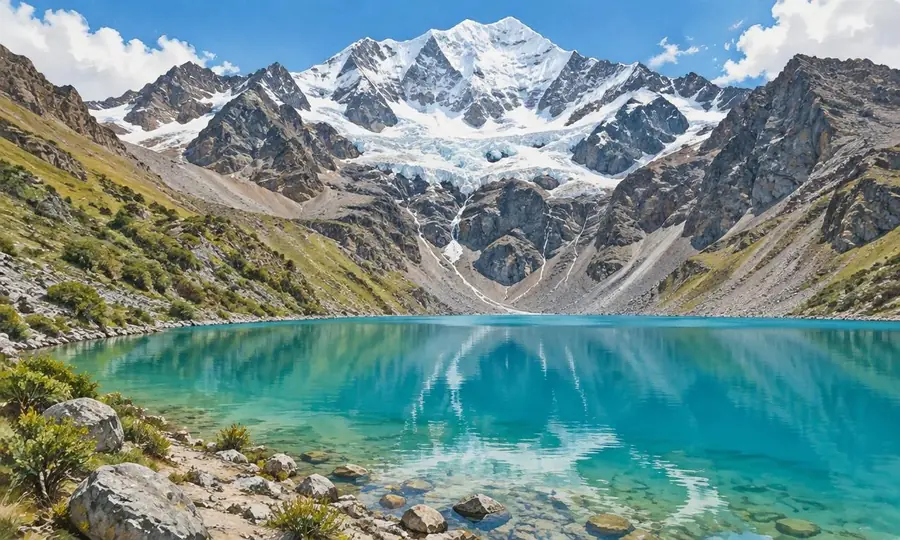
Humantay Lake Day Tour →
A single lake day trip, not the Salkantay trek or a Machu Picchu visit.
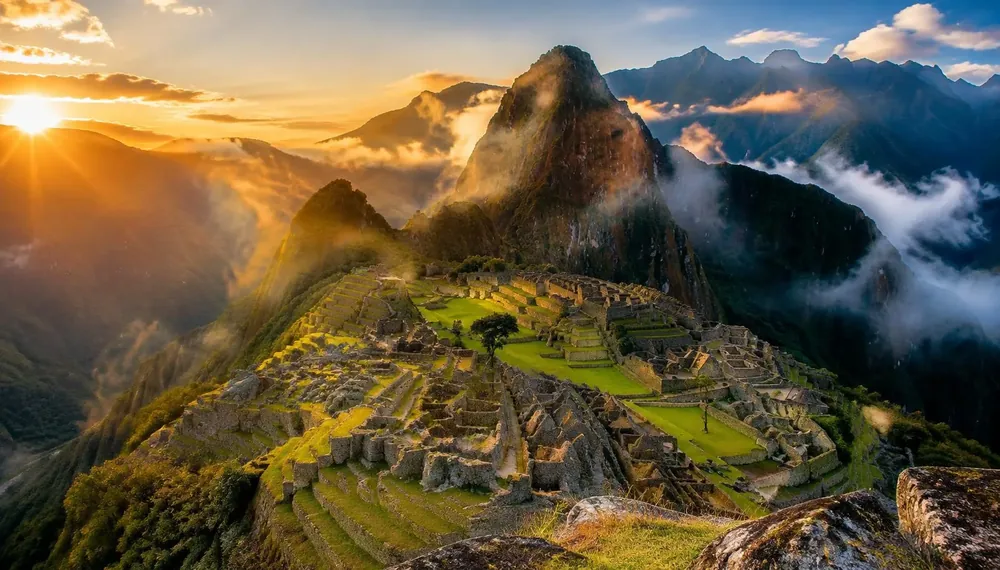
Inca Jungle Trek 4D / 3N →
A four-day cycling and valley-walking proposal rather than a Salkantay pass trek.