Inca Jungle Trek to Machu Picchu: 4 Days / 3 Nights
The proposed Inca Jungle Trek combines a downhill bike descent, warm-valley walking and a final Machu Picchu visit from Cusco. Also called the Inca Jungle Trail, this proposed four-day journey uses three lodging nights around Santa María, Santa Teresa and Aguas Calientes—not a camping itinerary.
Choose this format for varied active days and town-based nights. Rafting, zip-line and Cocalmayo hot springs are optional requests. Ask for a written quote for your dates, with the route, Machu Picchu admission and complete return journey checked together.
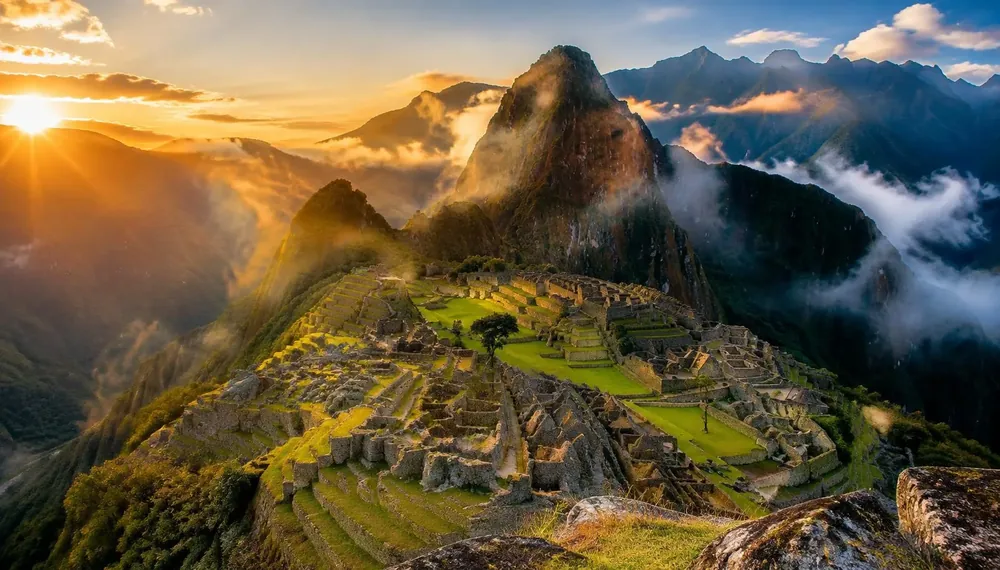
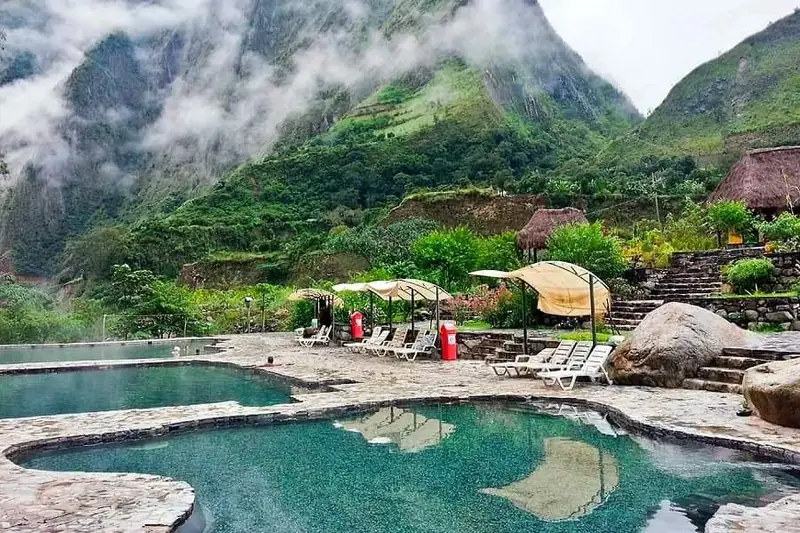
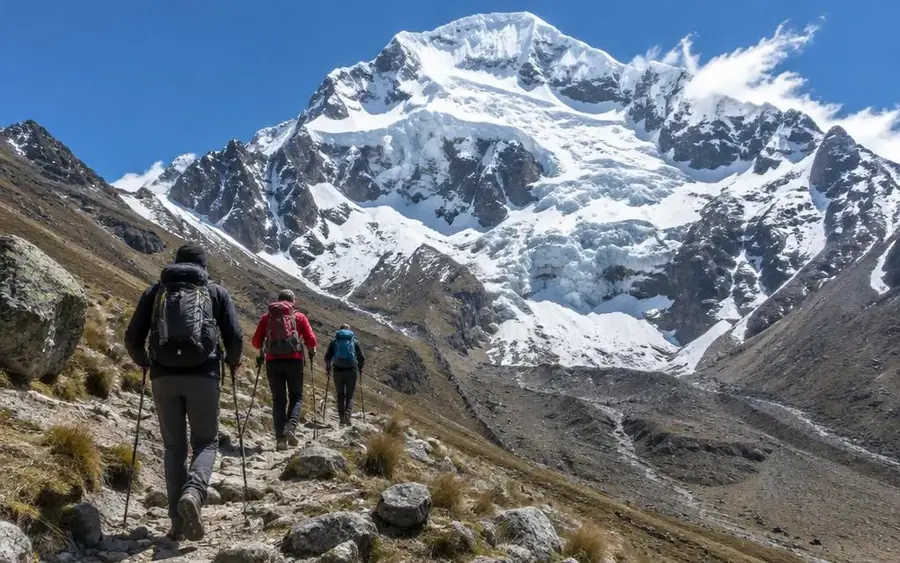
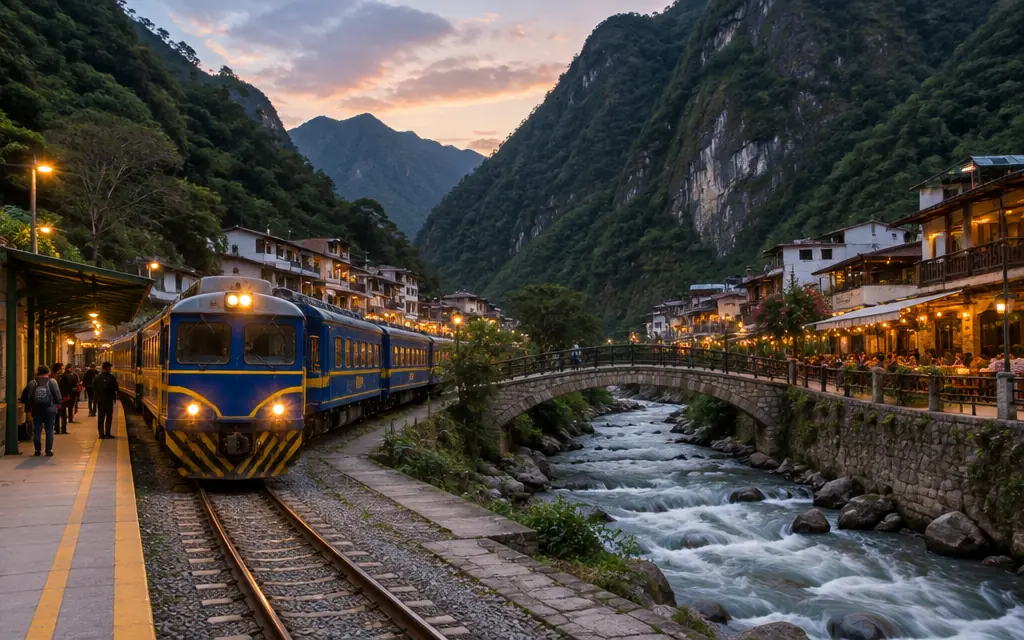
Destination illustration · not a confirmed departure or service.
Is this the right four-day adventure for you?
This four-day Inca Jungle tour is worth considering if you want the journey to change each day: high-country road travel, cycling toward warmer valleys, rural walking and a town base before Machu Picchu. Expect simple hostel or lodge-style accommodation rather than luxury rooms. Three overnight stays do not include your arrival or preparation nights in Cusco.
Walking fitness and cycling confidence are different requirements. You need to assess long descents, braking, bends and traffic as well as consecutive walking days. If cycling is not appealing, resolve a non-riding arrangement before choosing this trip; a seat in a support vehicle is not automatically available.
This page covers one proposed four-day format. A three-day version, Llactapata detour or upgraded itinerary needs a separate proposal, not an assumed variation. Choose the Classic Inca Trail for the permit-controlled Km 82 camping journey, or Salkantay for a mountain-walking focus. For broader route comparisons and independent planning, see our Inca Jungle route guide.
Proposed Inca Jungle itinerary: four days, three lodging nights
Day 1: Cusco, Abra Málaga and Santa María
Proposed road journey toward Abra Málaga, then a downhill cycling section toward Santa María. The riding start and finish depend on the offered route and conditions. Rafting may be requested separately. First proposed lodging night: Santa María area.
Day 2: Valley walking toward Santa Teresa
Proposed walking through cultivated valley landscapes and historic-path sections where accessible. Steps, slopes and exposed stretches need a route-specific check. Cocalmayo bathing is a separate optional request. Second proposed lodging night: Santa Teresa area.
Day 3: Hidroeléctrica to Aguas Calientes
Proposed connection toward Hidroeléctrica and walking approach to Aguas Calientes, subject to access. Zip-line may be requested if timing and eligibility fit. Third proposed lodging night: Aguas Calientes; prepare for the ticketed visit the following day.
Day 4: Machu Picchu and the agreed return
Proposed visit using the admission date, time and route secured for the booking. Entrance transfer, guiding and the complete return toward Cusco must be specified. Train-and-road and Hidroeléctrica walking-and-road returns have different effort and timing. No fourth overnight is proposed.
The four stages show the intended sequence, not confirmed hotels, activity locations or a navigation track. For scale, published itineraries describe cycling for about three hours, with some roughly 50 km descents; Day 2 can involve six to eight hours of walking. These describe different routes, not distances or timings offered here. Request daily walking distance, ascent, descent, time ranges, riding start and finish, transfer legs and overnight names. Different walking sections and optional stops can change effort even when the duration is identical.
For Day 2, confirm which historic-path sections are offered, their walking distance and elevation changes, and whether exposed stretches can be avoided. The proposed Santa Teresa stage does not promise the complete Santa María La Antigua–Cocalmayo trail or access to the Classic Inca Trail. Skipping rafting or zip-line does not remove walking exposure.
For Day 3, published planning accounts commonly describe roughly 10 km and two to three hours between Hidroeléctrica and Aguas Calientes. These are planning estimates, not a measured schedule for your group; stops, luggage, pace and access can lengthen the approach. Follow the guide and current local access instructions, keep clear of tracks and trains, and never use rails or bridges as a photo stop. Confirm feasibility rather than assuming the corridor is an unrestricted public trail.
Biking, optional rafting and zip-line: assess each activity
The proposed cycling descent can involve a shared road, corners, traffic, wet surfaces and changing visibility. Ask for the bicycle type and size, brake and tyre checks, helmet and protective equipment, fitting, briefing and practice assessment. Agree spacing, stopping points, regrouping and mechanical or fatigue support. Downhill does not mean effortless or suitable for a first-ever bicycle ride.
Before payment, resolve what happens if you decline cycling, cannot demonstrate control or stop partway: where you wait, who accompanies you, available transport, how you rejoin and who pays. Ask who decides to suspend riding for weather or road conditions. An accompanying vehicle, alternative activity, refund or continued participation is not promised by the itinerary.
Rafting is optional and needs its own provider and participation check. Ask about the river section, current conditions, swimming requirements, age restrictions, health considerations, flotation equipment, briefing and rescue coverage. If you cannot swim, do not assume acceptance: obtain the actual provider’s eligibility decision before adding rafting. Confirm the river grade and swimming requirements for your departure.
Zip-line is also optional. Confirm provider-specific age, height, weight and harness-fit limits, braking instructions, supervision and retrieval arrangements if someone stops mid-line. For either sport, agree waiting, bags and regrouping for non-participants, plus refusal, provider cancellation and refund terms. A signed waiver is not evidence that the activity suits you.
Difficulty and altitude: distinguish the road pass from hiking
The challenge is repeated active days, uneven paths and steps, downhill control, exposed stretches, heat and humidity. A generic moderate rating cannot describe every traveler or variant. Practice hill walking and descents with your intended daypack, and consider balance and knee comfort late in a walk. Ask for the actual walking profile rather than one whole-trip distance that combines road, bike and foot travel.
Abra Málaga is commonly published near 4,300 m, reached by vehicle before the descent. It is a vehicle high point, not proof that you hike or sleep there; the actual riding start may be lower. Request the highest walking elevation and sleeping elevation for each proposed night separately. Lower valley nights do not remove altitude exposure in Cusco and during the drive.
Plan altitude preparation in Cusco separately from these four tour days; no fixed stay or fitness level guarantees readiness. Seek individualized medical advice when appropriate, report possible altitude symptoms promptly and do not begin an adventure activity while unwell.
Beginners, families, solo travelers and mixed-ability groups need individual checks. Provide children’s ages and recent walking and cycling experience; no universal activity age is offered here. Solo travelers should distinguish a place in a shared departure from private service for one person, and confirm operation minimums and room supplements. For slower walkers or mobility needs, establish pace, guiding coverage, trail and room access, and how companions stay supervised if someone stops. Private service does not remove terrain or provider restrictions.
Machu Picchu tickets: not a Classic permit or Sun Gate entitlement
This proposed route does not use the Classic Inca Trail permit, but it still needs Machu Picchu admission. Check the trek’s start date and the intended Day 4 visit date together. A place in a group does not prove a ticket is available; a quote or payment receipt does not by itself prove named admission has been issued.
Obtain the circuit, full route name, entry time and guiding scope before payment. The official circuit page distinguishes panoramic, classic and royalty circuits with separate routes. This Jungle approach reaches Aguas Calientes, not the Classic trail approach through Intipunku. The official page lists the separately ticketed Portada Intipunku route, 1-C, as high-season-only; confirm applicable dates and availability. Sun Gate access, Circuit 2, a particular photograph, re-entry, Huayna Picchu or Machu Picchu Mountain are not automatic entitlements; requested extra access must fit availability, effort and the return plan. Use our circuit guide for the choices.
If Classic permits are sold out, Jungle can be a different experience to investigate—not a guaranteed substitute or a way around unavailable citadel tickets. For fixed dates, check acceptable circuits and timings before committing to the rest of the journey. If you already have a ticket, describe its date, route and time without sharing its QR code; reuse, discounts or refunds need agreement, not assumptions.
Day 4 return: train connections or more walking and road travel
Confirm how you reach the entrance from Aguas Calientes. A shuttle and walking the uphill stairs have different costs and effort; neither direction is an assumed inclusion. The visit must fit the admission slot, descent, bag collection and onward reporting time. An early entry or sunrise is not promised.
A train-based return needs the actual rail service, stations, baggage allowance, reporting time and connecting road transfer to Cusco. A Hidroeléctrica road return ordinarily requires another walking approach back to the road connection, then the vehicle journey. It is not a direct bus from Aguas Calientes or an effort-free equivalent of the train. Have the Day 4 walking and timetable assessed against the ticketed visit before selecting it.
Agree final drop-off, expected arrival range, luggage collection and what happens if a connection is missed. Keep essential onward flights and intercity departures separate from an estimated same-night arrival. Our Hidroeléctrica road-route guide covers that approach in detail; it does not confirm passenger eligibility, access or return service for this quote.
Rooms, meals, drinking water and your bags
The proposal uses three hostel or lodge-style nights, with intended stops around Santa María, Santa Teresa and Aguas Calientes. Confirm properties or standards, occupancy, private or shared bathrooms, bedding, hot water, towels and solo-room supplements for every night. A private-room request does not establish an en-suite bathroom. Charging, Wi-Fi and continuous phone coverage should not be relied on.
Ask for meals by day, the first and last included meal, starting drinking water, treatment, refill intervals and purchases needing local cash. Keep safe drinking water accessible; do not drink untreated river water. Dietary preferences and serious allergies require different feasibility checks. Resolve kitchen controls, cross-contact limitations and any inability to accommodate a serious allergy before payment; use the food and dietary guide for the detailed questions.
Separate your riding/walking daypack from any bag transferred ahead and main luggage left in Cusco. Confirm carrying allowances, who moves each bag, daytime access, storage charges and final handovers; no free storage or baggage transfer is assumed. Keep essentials, valuables, water and personal medication with you. The actual return train’s rules apply if using rail—not a universal trek baggage allowance.
Prepare for the high road crossing, warm valley walking and any requested water activities. Confirm activity-specific footwear and clothing, and size your bags around the agreed carrying plan. Use the Inca Jungle route guide for general preparation and the Machu Picchu packing guide for the separate site day.
Cocalmayo hot springs are an optional stop, not a package promise
Cocalmayo is near Santa Teresa, not the baths in Aguas Calientes. Request it if bathing interests you, then check admission, both transfers, opening conditions, waiting and time to change before the next stage. A Santa Teresa overnight makes it a logical possibility, not proof it is included or will be open. See the Cocalmayo guide for published fees, hours and visitor planning, then reconfirm conditions for your proposed visit.
May through September is generally a drier planning window, but rain remains possible. Wetter periods can change road access, bike braking, slopes, rail-corridor access and river conditions. Check your dates and each activity rather than treating a month as an operating guarantee; see the weather guide for wider planning.
The Classic Inca Trail’s February maintenance calendar does not establish Jungle operation. Verify the offered road, walking route, activities and citadel separately. Ask when conditions are reviewed, who can cancel or reroute, what alternatives require consent, and how unused services and extra transport or nights are charged.
Before committing, request the route-specific first-aid, communication, withdrawal and emergency procedures: feasible exit points, accompaniment, remaining-party supervision and responsibility for costs. Oxygen, an always-available vehicle and funded evacuation are not promised. Check insurance for the actual walking altitude, road cycling and any rafting or zip-line, plus medical care, rescue, cancellation and interruption; our insurance guide helps frame the questions.
Inca Jungle Trek cost: get the complete written quote
Request one total payable for your dates and party covering four days, three lodging nights, the chosen return and selected optional activities, with remaining exclusions and pay-locally costs listed separately. Confirm currency, taxes, payment fees, single-room or private-service supplements, quote validity and the operating company and separate activity providers. The checklist below identifies items to resolve, not guaranteed inclusions. Shared operation minimums, group limits and which private arrangements are exclusive need written confirmation.
Route and support: daily riding and walking stages, guiding language and coverage, bicycle and protective gear, support and non-participation arrangements.
Three lodging nights: properties or standards, rooms and bathrooms, meal boundaries, drinking water and bag handling/storage.
Machu Picchu: actual admission date, circuit, route and time, guiding, entrance transfers and any separately requested extra access.
Journey connections: briefing, pickup point, road legs, Day 3 approach and full Day 4 train/road return, luggage collection and final drop-off.
Optional costs and terms: rafting, zip-line, Cocalmayo admission and transfers, personal purchases, discretionary tips, insurance, withdrawal, changes and cancellation.
Send preferred start dates, flexibility and traveler count for the four-day proposal. Add practical experience and preferences through the inquiry below; mention an existing Machu Picchu ticket or essential onward connection so compatibility can be checked before further purchases.
Before payment, agree the included, excluded, optional and pending services, deposit and balance schedule, payment charges and identity-correction process. Obtain each supplier’s change, cancellation and closure terms, including what happens if admission or an activity cannot be secured. Confirm which payments are refundable, which costs remain and whether alternatives require your acceptance. Keep the proposal and confirmations; the quote checklist can help compare offers.
This inquiry is not a reservation and holds no activity, room, departure or admission. Do not send identity documents, passport numbers, ticket QR codes, payment details or medical records in the initial message. Review the privacy notice, agree the necessary data, recipient and submission channel before any later sharing, and confirm which original identity document must be presented for the issued admission and transport.
Is this a four-day tour with three hotel or hostel nights?
That is the proposed format: Santa María-area, Santa Teresa-area and Aguas Calientes lodging, not camping. Actual properties, rooms and services need confirmation; arrival and preparation in Cusco are separate.
Can I book a three-day version or Llactapata detour here?
This page covers the proposed four-day format only. A shorter route, detour or extra night needs a separate itinerary and quote, not an assumed variant.
Is Inca Jungle the same as the Classic Inca Trail?
No. Jungle mixes cycling and valley walking with lodging; Classic is a permit-controlled Km 82 camping trek. Jungle does not use that Classic permit, but its Machu Picchu visit still requires dated admission.
Does Jungle include the Sun Gate, Circuit 2 or Huayna Picchu?
None is an automatic entitlement. This approach reaches Aguas Calientes. The issued ticket determines the visit; requested extra routes need availability, effort and timing checks.
Can beginners, families or slower walkers request it?
Yes, for individual assessment. Walking fitness and downhill cycling control are separate. Provide ages and practical experience; resolve provider restrictions, pace and guiding coverage before payment.
Can I skip biking or stop partway?
Request a written non-riding or withdrawal plan before booking. Transport, accompaniment, waiting, regrouping and costs need confirmation; a support-vehicle seat is not automatically available.
Are rafting and zip-line included or compulsory?
Neither is compulsory or a confirmed inclusion. They are optional requests requiring provider, eligibility, conditions, cost and cancellation checks. Confirm arrangements for non-participants.
Can a non-swimmer raft, and what are the zip-line limits?
Ask the actual providers. Swimming requirements and age, height, weight or harness-fit limits vary; another provider’s rules or a signed waiver do not establish eligibility for your departure.
How high does the Inca Jungle route go?
Abra Málaga is commonly described near 4,300 m, reached by vehicle. That figure does not establish the highest walking or sleeping elevation for your itinerary. Request the actual road, cycling, walking and overnight profile; lower valley nights do not eliminate altitude exposure.
How far is the Hidroeléctrica walk?
Published planning accounts commonly describe roughly 10 km and two to three hours toward Aguas Calientes. Treat this as an estimate, not your confirmed time. Pace, luggage, stops and access matter; a road return may add this walking again on Day 4.
Does the tour operate in February or rain?
Check the exact departure. Classic’s February closure does not determine Jungle operation; roads, slopes, cycling, rivers, walking access and citadel conditions need separate checks. No year-round departure guarantee is offered.
Is the return by train or bus?
The quote must specify it. Train services need station and road connections; a Hidroeléctrica road return normally includes more walking before reaching the vehicle. Neither is a direct bus from Aguas Calientes to Cusco.
Are private rooms, meals, water or luggage storage included?
Only services explicitly included in your written proposal are included. Resolve room and bathroom arrangements, food and water provision, bag handling and any serious-allergy limitations before payment.
How much does the four-day Inca Jungle Trek cost?
Request the four-day total for your dates and party using the quote checklist above. No fixed rate, automatic discount or universal refund policy is published.
Still have a question?
Your dates and party for the proposed four-day lodging route; an inquiry is not a reservation.
Route variations below are planning context, not additional inclusions or changes to this listed tour. Ask for a dated proposal for any different route.
Check whether opting out still means waiting with the group
Skipping rafting or ziplining can mean sitting at the activity base, riding in a transfer vehicle or traveling ahead to accommodation. These are different alternatives. Before choosing a package with optional activities, ask where you will spend that block, whether there is shelter and a toilet, and who is responsible for the transfer to the reunion point.
For cycling, distinguish declining the ride entirely from being able to stop after starting. Agree where a support vehicle can collect you and whether there is space for you and the bike. Do not treat a vehicle visible in advertising as a promise of an available passenger seat. If the nonparticipation plan is just a long unsupported wait, a walking-focused itinerary may fit your holiday better.
Individual valley transport and accommodation may be arranged separately, but that is not the same as a supported multi-activity departure. Use appropriate operators for technical activities and verify local access conditions rather than improvising an unfamiliar descent.
If I skip an activity, do I get extra free time at the next town?
Not necessarily. The alternative may be waiting at the same base until the group finishes. Establish the actual location, transport, supervision where needed and meeting arrangements before choosing the package.
Still have a question?
Ask for the proposed route and any optional arrangements in writing; an enquiry is not a reservation.